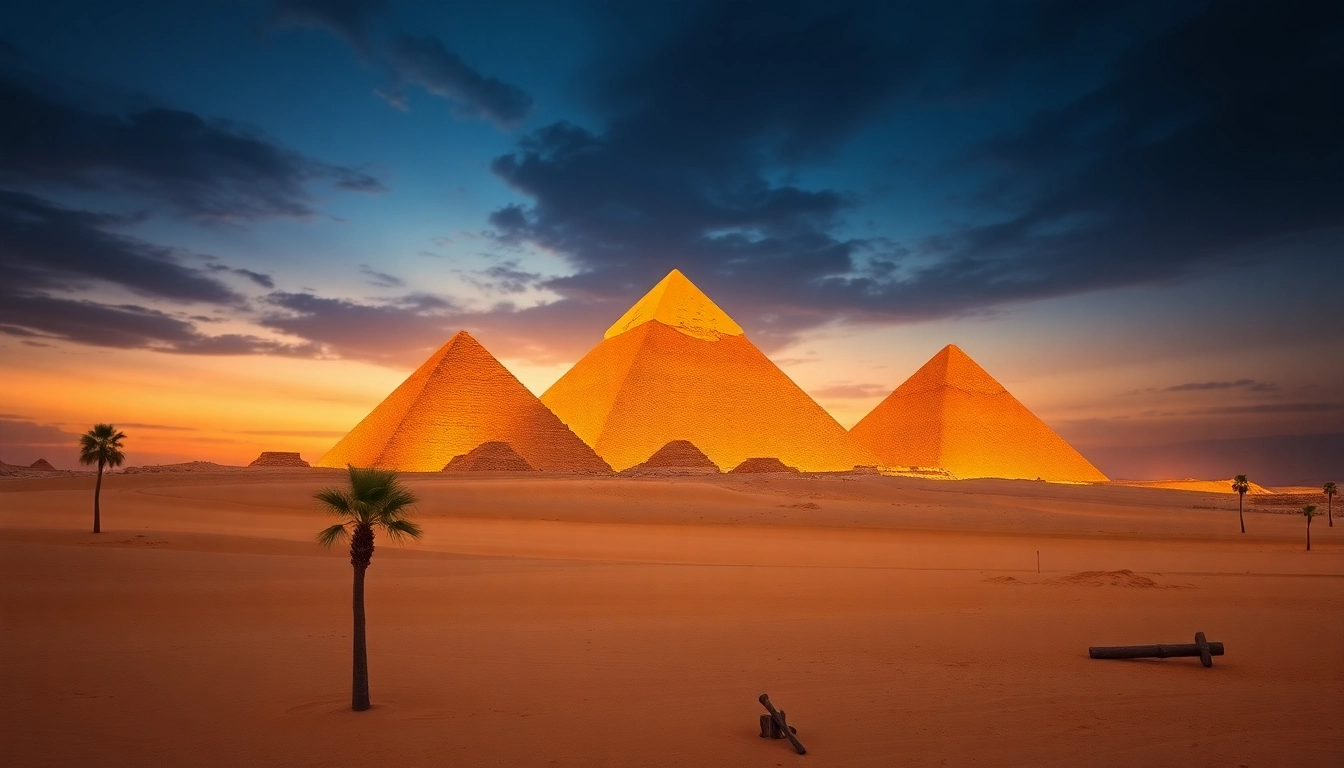
The Historical Significance of Pyramids
Pyramids have fascinated historians, archaeologists, and the general public for centuries. They are not merely ancient structures; they embody the spiritual and political aspirations of ancient civilizations. Understanding the role of these monumental edifices in shaping cultural identity, effective governance, and religious practices is crucial. For further exploration of their impact, visit https://piraminds.com/.
Understanding Ancient Egypt
Ancient Egypt was one of the most remarkable civilizations known for its advancements in various fields, including mathematics, architecture, and medicine. The pyramids, particularly those at Giza, serve as a testament to the architectural genius of the Egyptians. Established around 3100 BCE, this civilization structured society around their belief in the afterlife, which prominently influenced their burial practices. The socio-political landscape, dominated by the pharaoh, was intertwined with religious ideologies, making the pyramids a reflection of their cultural identity.
Pyramids as Tombs for Pharaohs
The primary function of the pyramids was to serve as royal tombs. Pharaohs believed that after death, they would ascend to the afterlife, and the pyramid was an essential part of this journey. These grand structures were designed not only as burial chambers but also as monuments that showcased the pharaoh's power and divinity. The elaborate interiors included various chambers, often filled with goods and treasures meant to assist the deceased in the afterlife, reflecting the intricate relationship between burial practices and mortality.
Cultural Impact of Pyramids in Society
Pyramids significantly influenced ancient Egyptian culture. They served as focal points of worship and pilgrimage, embodying the connection between the earth and the heavens. The construction of such magnificent structures required a massive workforce, thus facilitating community organization and job specialization. Festivals and rituals surrounding the pyramids reinforced social cohesion, making them central to Egyptian cultural identity while showcasing the artistic capabilities of the civilization through intricate designs and hieroglyphs.
Architectural Marvels: How Pyramids Were Built
The creation of the pyramids demonstrates innovative engineering and architectural techniques. Despite the technological limitations of ancient times, the Egyptians managed to build structures that have withstood the test of time. Knowledge of their construction methods reveals much about their society and culture.
The Great Pyramid of Giza's Construction Techniques
The Great Pyramid of Giza, the largest of the three pyramids on the Giza Plateau, stands as a prime example of ancient engineering prowess. Built during the reign of Pharaoh Khufu, it originally measured 146.6 meters tall. Researchers believe that a combination of ramps, sleds, and manpower was utilized to move the massive limestone and granite blocks. The precision involved in arranging these stones with minimal gaps reflects a high level of mathematical understanding and project management.
Materials Used in Pyramid Construction
The materials used in pyramid construction varied but predominantly included local limestone and granite. The core of the pyramids typically comprised limestone, while the outer casing stones were made of highly polished Tura limestone to reflect sunlight and give the pyramid a dazzling appearance. For structures from other regions, mudbrick was also a prevalent building material, showcasing adaptability and resourcefulness in construction methods.
Challenges Faced by Ancient Builders
The ancient builders faced numerous challenges, including sourcing materials, transporting heavy stones, and managing a large workforce. Environmental factors like the Nile's flooding and shifting sands posed significant hurdles. Yet, their ability to overcome these obstacles speaks volumes about the organization and determination of ancient Egyptian society. They also displayed remarkable ingenuity through innovations like levers and counterweights, ultimately resulting in the construction of awe-inspiring monuments.
Pyramids Beyond Egypt: Global Counterparts
Pyramids are not exclusive to Egypt; similar structures can be found across different cultures globally. This section explores how various civilizations embraced the pyramid shape, adapting it to their unique cultural contexts.
Mesoamerican Pyramids: A Comparative Study
Pyramids in Mesoamerican cultures, such as the Aztecs and Mayans, differ significantly in function and design compared to Egyptian counterparts. The Pyramid of the Sun in Teotihuacan and the Pyramid of Chichen Itza exemplify pyramidal architecture in this region. Unlike the Egyptian pyramids, which are primarily tombs, these structures often served as ceremonial sites for religious activities, showcasing the diverse interpretations of pyramid construction across civilizations.
Pyramidal Structures in Other Cultures
Various other cultures have produced pyramidal structures, including the Nubian pyramids and ancient structures in ancient Greece and Mesopotamia. These pyramids often served different functions, from burial sites to temples, emphasizing a universal architectural form reflective of cultural diversity. Notably, the design elements and materials used in these pyramids often reveal the values and spiritual beliefs of those societies.
Architectural Influence of Pyramids Worldwide
The design of pyramids has influenced numerous architectural styles worldwide. The concept of pyramidal structures finds its way into modern architecture, where the pyramid shape represents stability and strength. Influences can be seen in skyscrapers and monuments throughout the world, underscoring the enduring legacy of these ancient structures. From ancient times to contemporary architectural paradigms, the pyramid continues to inspire and captivate.
Modern Discoveries and Research about Pyramids
Recent archaeological advancements have provided fresh insights into the mysteries surrounding pyramids. With technology evolving rapidly, researchers are unearthing secrets that further illuminate our understanding of these ancient structures.
Recent Archaeological Findings
Exciting discoveries, such as hidden chambers within pyramids, have reshaped our understanding of their construction and purpose. Techniques like ground-penetrating radar and thermal imaging allow scientists to explore beneath the surface without invasive digging. Findings often reveal new clues about the daily lives of ancient Egyptians, their burial customs, and the methods they used for pyramid construction.
Technological Advancements in Pyramid Studies
Modern technologies, including satellite imagery, 3D modeling, and artificial intelligence, are revolutionizing the study of pyramids. These tools enable researchers to simulate construction scenarios, analyze structural durability, and even attempt reconstructions of ancient workflows, providing deeper insights into historical contexts.
Theories on Pyramid Purpose and Function
While the consensus is that pyramids primarily served as tombs, ongoing research continues to unfold additional layers of purpose. Some theories suggest they were symbols of the pharaoh’s divine status, designed as gateways to the afterlife, while others propose that they functioned as astronomical observatories. The multifaceted conception of pyramids reflects a complex interplay between architecture, religion, and society.
Visiting Pyramids: Tips and Insights
Visiting the pyramids is a bucket-list experience for many, offering a unique glimpse into ancient history and culture. When planning a visit, several factors can enhance the experience.
Planning Your Trip to the Pyramids
Before visiting, research the best times to go, considering factors like weather, tourist seasons, and local events. Guided tours can provide valuable insights, while planning for transportation and accommodation ahead of time will ensure a smooth trip. Consider the local customs as well, as certain religious and cultural considerations may apply during your visit.
Important Sites and Attractions at Giza
The Giza Plateau hosts several significant sites, including the Great Sphinx and the Valley Temple. Each site offers unique insights into the construction and significance of the pyramids. Allocate ample time to explore, and contemplate the history behind each structure while enjoying the stunning backdrop of the desert landscape.
Respecting Cultural Heritage During Visits
Visitors should approach these ancient sites with respect, recognizing their cultural and historical significance. This includes following guidelines set by authorities, not climbing on structures, and engaging respectfully with local communities. Responsible tourism contributes to preserving these invaluable treasures for future generations, allowing the legacy of the pyramids to endure.
FAQs
1. What are the pyramids used for?
Pyramids primarily served as tombs for pharaohs and nobles in ancient Egypt, symbolizing their divine status and ensuring safe passage to the afterlife.
2. How were the pyramids built?
Ancient Egyptians utilized methods such as ramps, sleds, and a large workforce to transport and assemble massive stone blocks, showcasing their remarkable engineering skills.
3. Are there pyramids outside Egypt?
Yes, various cultures, including the Mayans and Aztecs in Mesoamerica, constructed pyramidal structures for ceremonial and religious purposes, reflecting diverse cultural interpretations.
4. What recent discoveries have been made about the pyramids?
Recent archaeological findings include hidden chambers and advanced burial practices, thanks to technologies like ground-penetrating radar and thermal imaging that reveal new insights into ancient practices.
5. How can I visit the pyramids responsibly?
To visit responsibly, follow local guidelines, engage respectfully with the culture, avoid climbing on structures, and contribute positively to the preservation of these historical sites.